
§ 14
Physics Is Not Static
The laws expand with the universe they describe
There's a habit, picked up in school, of treating physics like a finished book. The laws were always there. The universe shows up, the laws apply, the end. The book this app is built on rejects that picture, and so does a growing minority of working physicists.
Look at what the universe actually does. It starts simple — a hot uniform soup — and works its way, over billions of years, into stars, planets, chemistry, life, brains, language, art, this sentence. Complexity is not a bug. It's the direction.
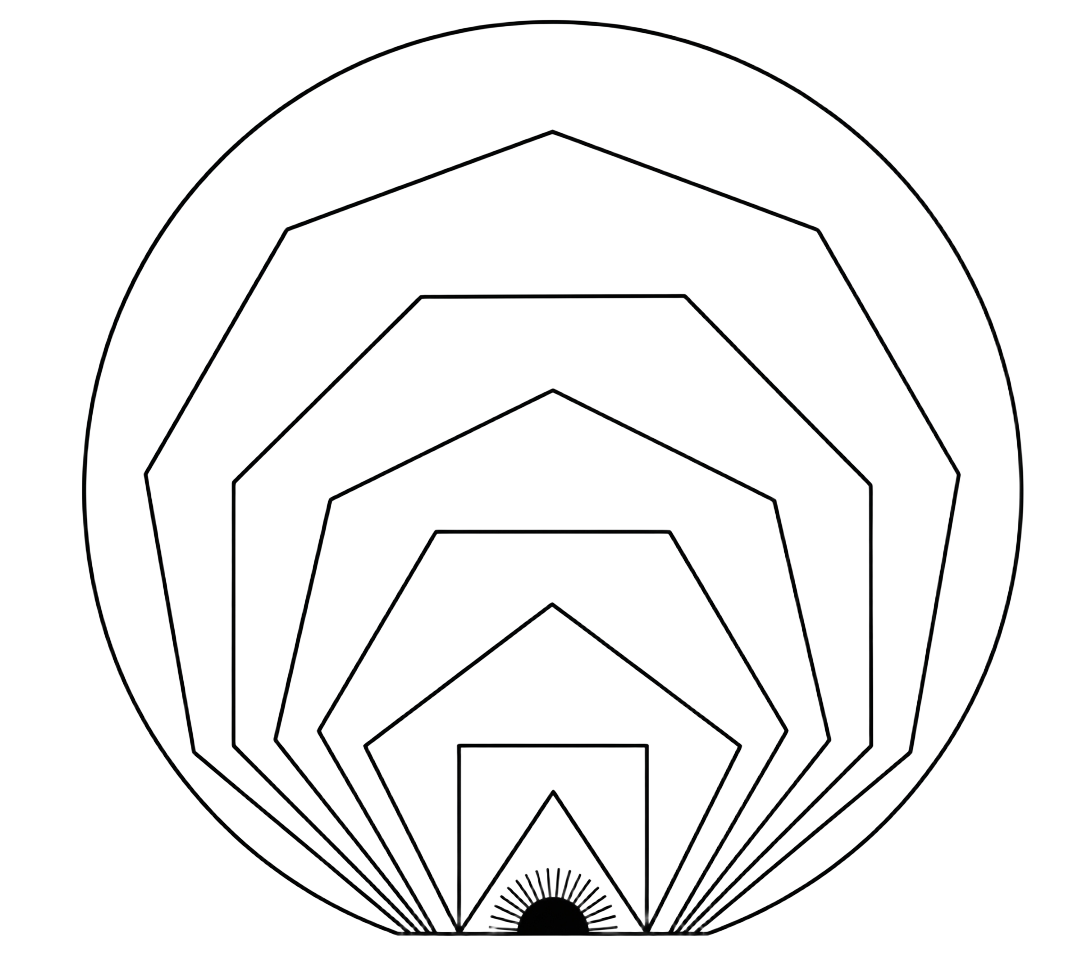
Now ask: if everything inside the universe is climbing in complexity, why would the rules governing it be the one thing that sits still? More likely, physics is climbing too. New levels of organization unlock new lawful behavior — chemistry isn't predictable from particle physics alone, biology isn't predictable from chemistry alone, consciousness isn't predictable from biology alone. Each layer adds rules the previous layer didn't have the vocabulary for.
This matters practically. If physics is evolving, then what you call ‘impossible’ is mostly a snapshot of the rules at the moment you happen to be observing. The substrate is still writing. The interface you see — solid objects, fixed laws, predictable cause and effect — is the rendered version of a system that is, underneath, more like a process than a product.